Using Egyptian Alfalfa Hay in Dairy Rations: Protein, Calcium and Common Mistakes
Alfalfa is the protein-rich forage behind many UAE dairy rations. How much protein to expect, where it fits in a TMR, and why it should be limited for dry cows before calving.
Green Graze Fodder team · · Updated · 3 min read
Quick answer
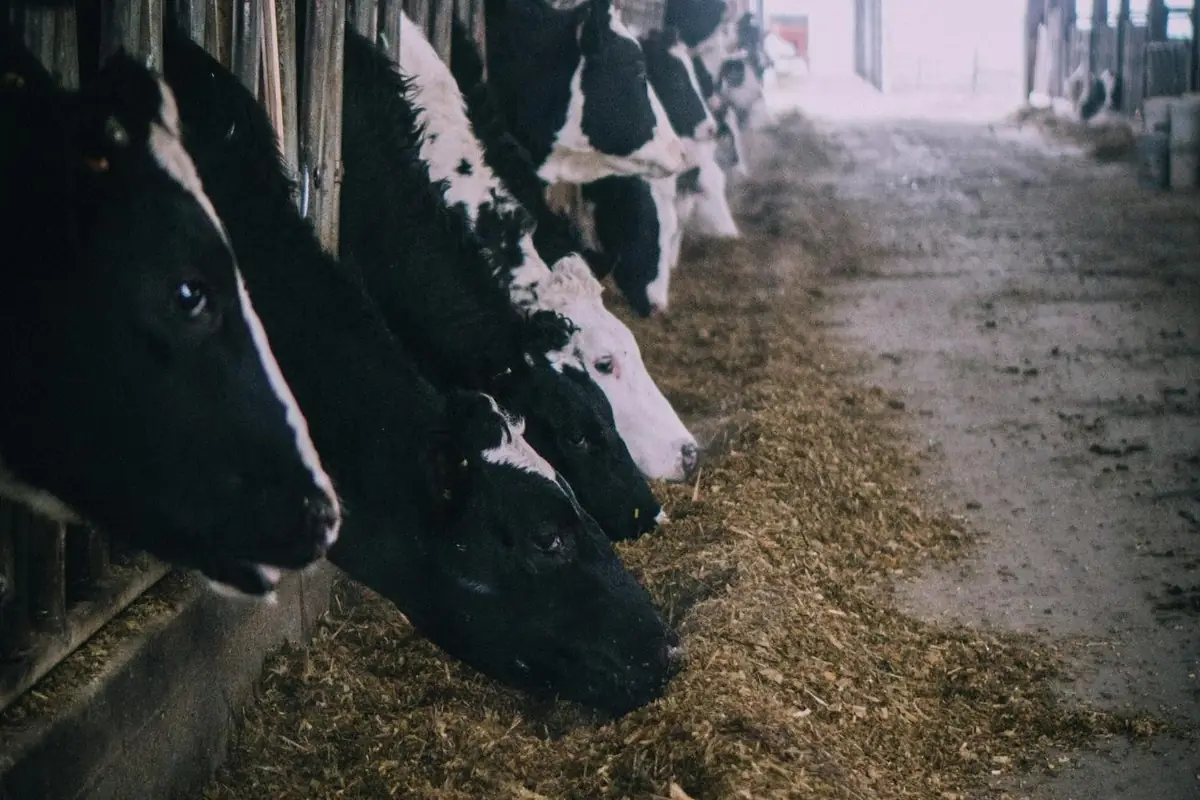
Good Egyptian alfalfa has about 16–22% crude protein and more calcium than grass hay. In dairy rations it supplies protein and fibre together, usually alongside corn silage or grain and a grass hay — but limit it for dry cows close to calving.
Alfalfa (lucerne, barseem) hay is the main protein-rich forage in many UAE dairy rations. Good Egyptian alfalfa typically contains about 16–22% crude protein, plus more calcium than grass hay, which makes it a useful partner for Rhodes grass, straw and corn silage.
Where alfalfa fits in a dairy ration
High-producing cows need protein, energy and enough physically effective fibre to keep the rumen healthy. Alfalfa supplies protein and fibre at the same time, so it can reduce the amount of bought-in protein concentrate. In a total mixed ration (TMR) it is usually combined with an energy source such as corn silage or grain, and with a grass hay or straw to balance fibre.
Common mistakes
- Feeding alfalfa freely to dry cows close to calving. Alfalfa is high in calcium and potassium, and too much in the last weeks before calving can increase the risk of milk fever. Close-up dry cows usually do better on grass hay or straw with a ration designed by a nutritionist.
- Changing the forage overnight. Switch over 7–10 days so the rumen can adapt.
- Judging by origin alone. Lots differ a lot; check every delivery.
How to judge alfalfa quality
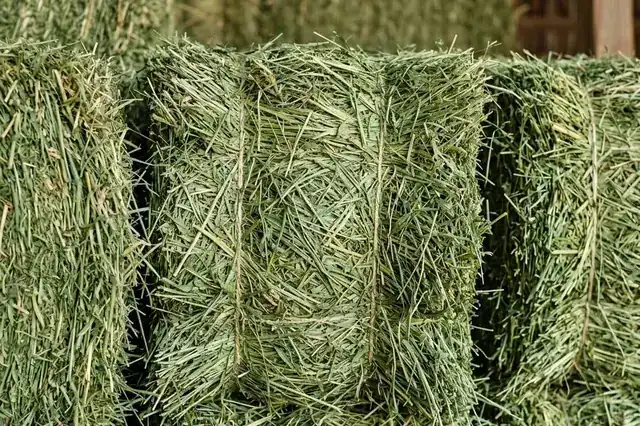
- Leaf: leaves hold most of the protein. Bales that shatter into stems have lost value.
- Colour and smell: green and fresh. Brown or musty hay has been rained on, overheated or stored badly.
- Stems: fine and flexible rather than thick and woody (a sign of late cutting).
- Mould and dust: reject them, especially for young stock.
- Analysis: for regular dairy supply, ask for crude protein, ADF and NDF figures so the ration can be balanced properly.
Every farm is different — your nutritionist should set the exact inclusion rate for your herd.
You can see today's alfalfa offers and prices from UAE sellers on GrazeMarket, or call us on +971 55 150 9625 for regular dairy supply.
Common questions
How much protein is in Egyptian alfalfa?
Typically about 16–22% crude protein.
Why limit alfalfa before calving?
Its high calcium and potassium can increase the risk of milk fever in the last weeks before calving.
How do I judge alfalfa quality?
Plenty of leaf, green colour, a fresh smell, fine flexible stems and no mould or dust. For regular supply, ask for crude protein, ADF and NDF figures.
More guides
 How to Check Hay Bale Quality Before You Buy: A UAE Buyer's ChecklistSix checks for Rhodes grass and alfalfa bales — leaves, maturity, colour, smell, softness and foreign matter — plus mould warning signs, when to lab-test, and a checklist for when the truck arrives.
How Much Does a Camel Eat a Day? Hay and Feed Guide for UAE OwnersAbout 1.5–2% of body weight in dry feed a day: the daily amount for 400, 500 and 600 kg camels, how to split hay and concentrate, water, and practical feeding tips.
 How to Buy Fodder Online in the UAE: GrazeMarket and the ADAFSA Fodder MarketThe ways to order fodder online in the UAE compared: ADAFSA's Fodder Market on TAMM for Abu Dhabi breeders, and GrazeMarket for live prices and delivery in every emirate.
 Rhodes Grass vs Alfalfa Hay: Which Does Your Animal Need?A side-by-side comparison of the two main hays in the UAE — protein, fibre, calcium, price per kg and which animals each suits — and how to combine them.